Is Learning Python Essential for Success as a Data Analyst?
You want to know which skills matter for data analysts (DAs) right now. LinkedIn is full of advice, but after reading countless posts, here are the skills you really need to focus on: But what about Python? If you scan through several job listings, you’ll notice that it’s often listed as a nice-to-have or doesn’t […]
Continue readingNew Feature: Business Case Studies
LET ME SET THE STAGE FOR THIS ARTICLE: THERE IS NOTHING FOR YOU TO BUY HERE! BUT YOU DO WANT TO READ ON BECAUSE IT WILL LIKELY BENEFIT YOUR BUSINESS! Are you a small- to medium-sized business (SMB) owner who is getting pressured to upgrade your data systems from Excel to some higher-end solution (like […]
Continue readingMastering USERELATIONSHIP() in DAX: A Deep, Practical, and Engaging Guide
How to unlock alternate relationships and take full control of your data model’s behavior Power BI’s data model is built on relationships—those invisible highways that let filters flow from one table to another. Most of the time, the model’s active relationship does exactly what you need. But real-world data is messy, multi‑dimensional, and full of […]
Continue readingWhy DAX Exists: Measures as Templates and Windows as Context
Do you struggle with DAX? If so, you’re not alone. The hardest part with DAX isn’t the syntax. It’s conceptualizing it mentally. What does “filter context” really mean? Why does a measure give different results in different visuals? When people first encounter DAX, they often ask: “Why do we need a whole new formula language? […]
Continue readingData Sources

Helpful Data SourcesUse resources (below) to find datasets or data sources. The plan is to update this whenever I come across new sources. Be sure to check back or bookmark the page.Please Note: Use these data sources at your own risk. You should verify the sources. I took every measure to include data sources that […]
Continue readingCreate Stock Charts in Two Lines of Code
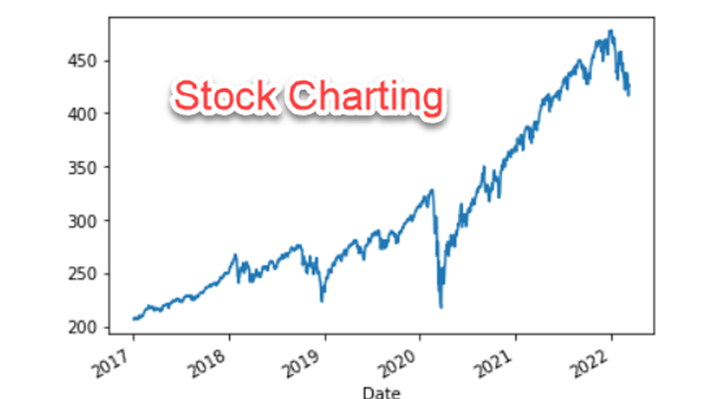
Creating stock charts requires expensive software, or at least it used to. Now, you can simply create it right from a programming languages. Even better, you can do it all in two lines of code. Nice! What’s the Catch? There really isn’t a catch. Of course, if you are expecting these charts to have all […]
Continue readingGrasping Loc and iLoc in Pandas
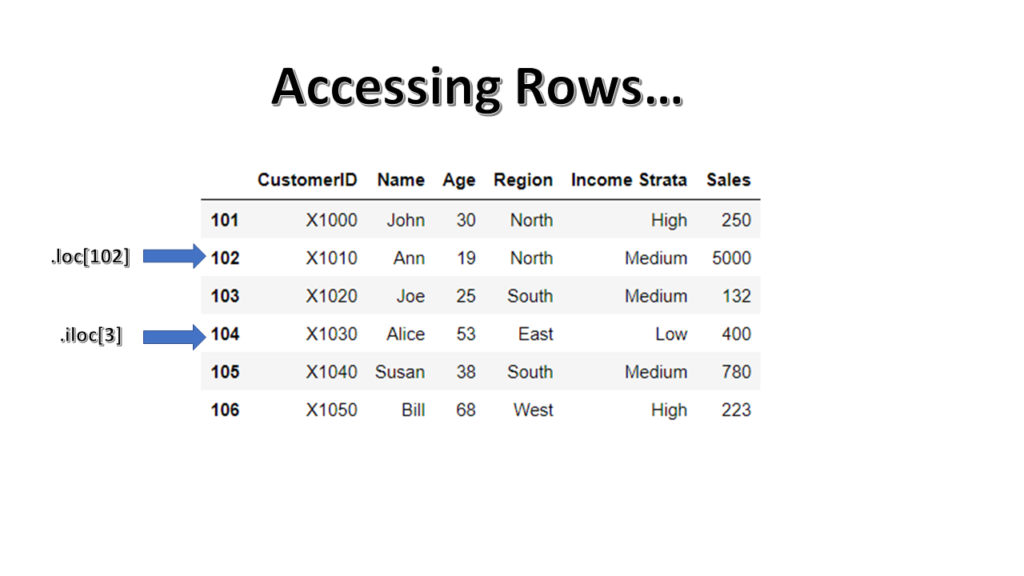
Are you struggling with loc[] and iloc[] in Pandas? If so, you are in the right place. Read about grasping loc[] and iloc[].
Continue readingWhat Skills Do You Need for Data Analysis?

You know already that data is everywhere. But do you know how to use it? You’ll learn about a resource that will help you learn.
Continue readingThe Four Core DAX Measures

When I first started working with Power BI, I often heard that you could get by with just four core DAX measures: Total Sales, Total Cost, Total Profit, and Profit Margin. At the time, that advice felt empowering—keep it simple and you’ll cover most reporting needs. But as I gained experience, I realized that framing is […]
Continue readingCreate Lookup Tables from Fact Tables Using Merge in Power BI

When analyzing data, analysts should adhere to best practices. Once such best practice is to use a star schema for the data. At its basic level, a star schema contains one or more fact tables, and several lookup tables. But data often doesn’t come to the analyst as a star schema, which means the analyst […]
Continue reading